
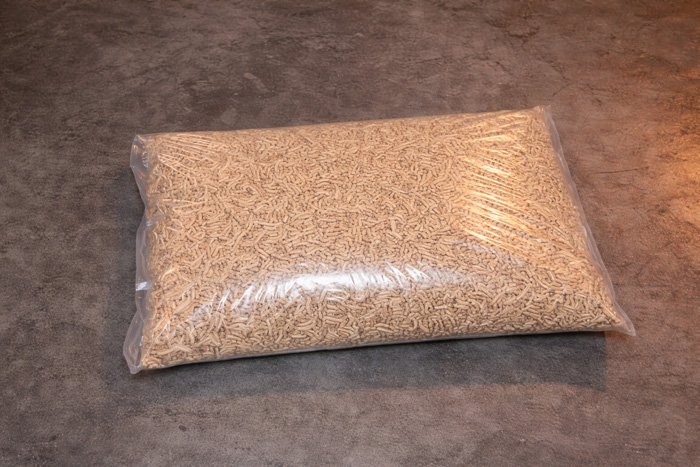
Manufacturing Process
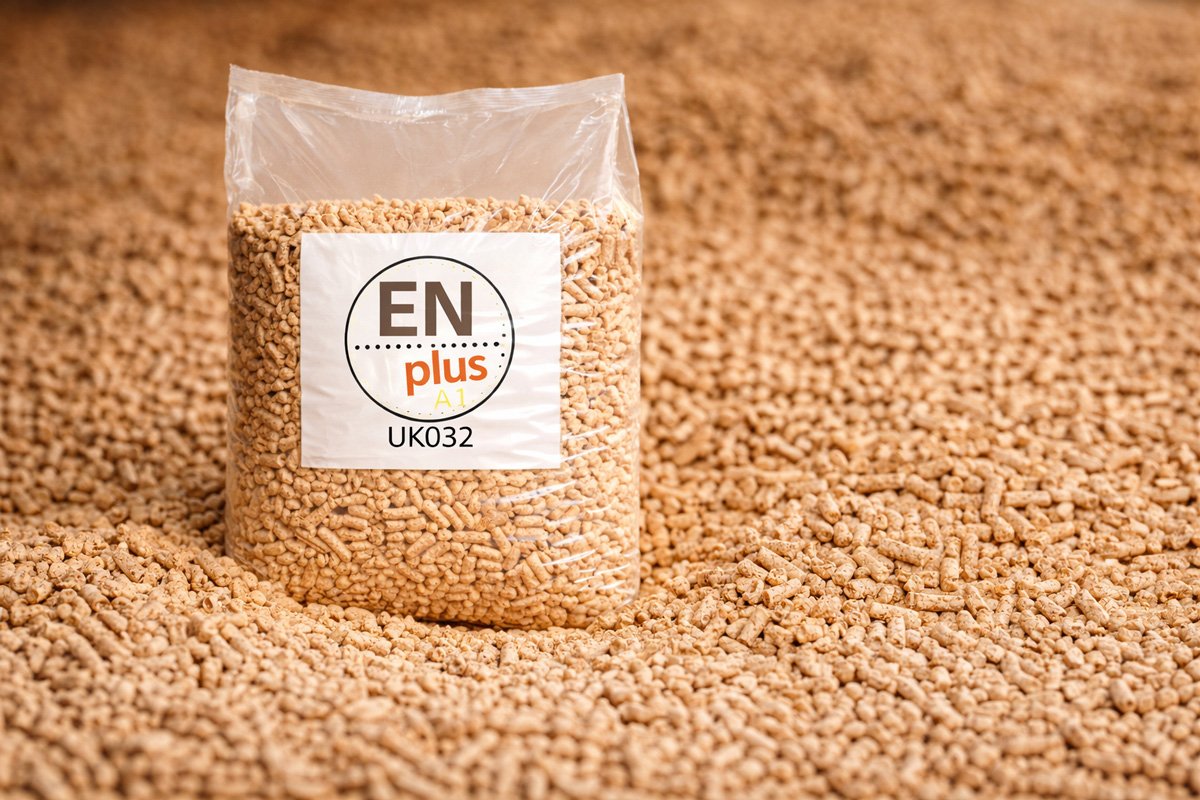
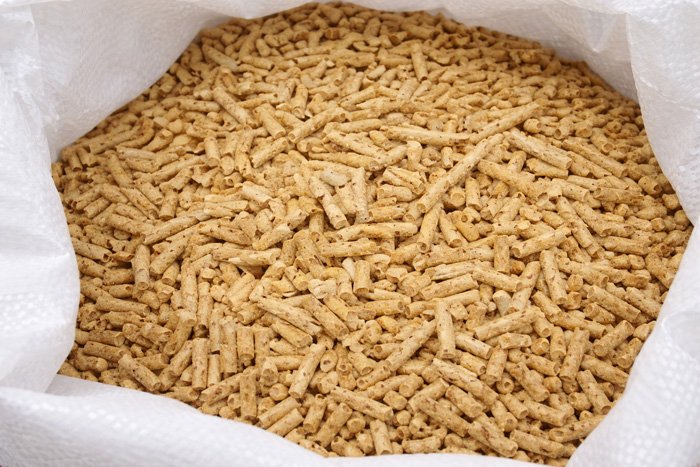
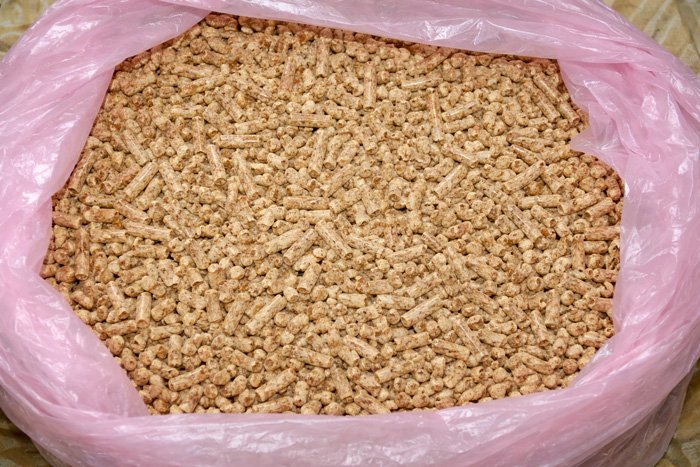
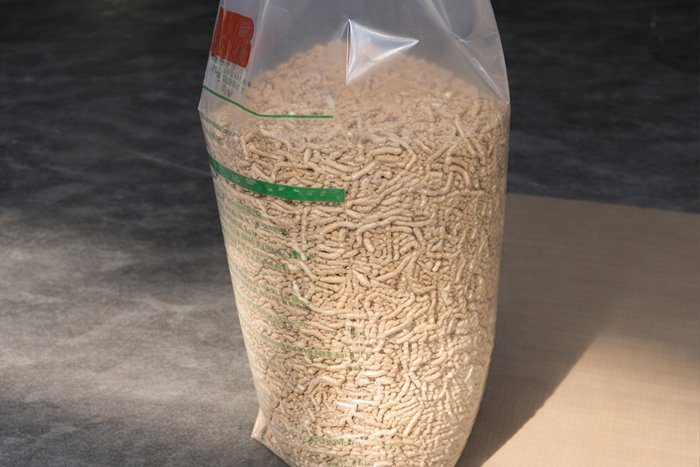
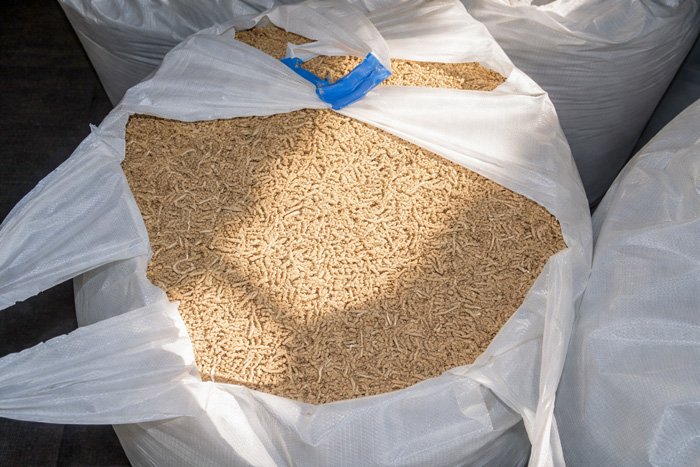
Wood pellets are produced through a high-pressure compression process of approximately 300 bar, without the use of additives or binding agents. This natural process relies solely on the lignin contained in the wood, ensuring a clean and consistent fuel.
Wood pellets deliver a high calorific value of approximately 5 kWh/kg (4,300 kcal/kg), making them a highly efficient energy source comparable to traditional fossil fuels.
Energy Equivalence
The combustion of 1 tonne of wood pellets provides an energy output equivalent to:
1. 480 m³ of natural gas
2. 500 litres of diesel fuel
3. 700 litres of fuel oil
Environmental Performance
Burning wood pellets offers significant environmental advantages:
a) 10 to 50 times lower carbon dioxide emissions
b) 15 to 20 times less ash production
c) Virtually zero sulphur emissions
Advantages of Using Wholesale Wood Pellets
Wood pellets are a highly efficient and sustainable fuel solution, offering a wide range of practical and environmental benefits for both domestic and industrial applications.
a) Environmentally responsible fuel made from renewable wood resources
b) Cost-effective energy solution with stable and predictable pricing
c) Long shelf life when stored under proper conditions
d) High energy output, providing strong calorific performance
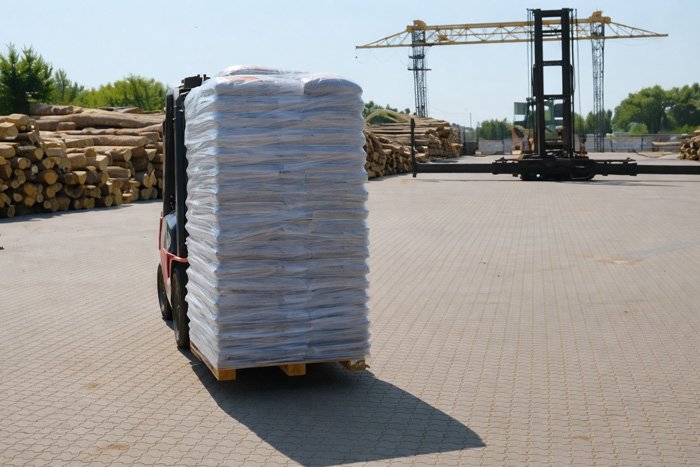
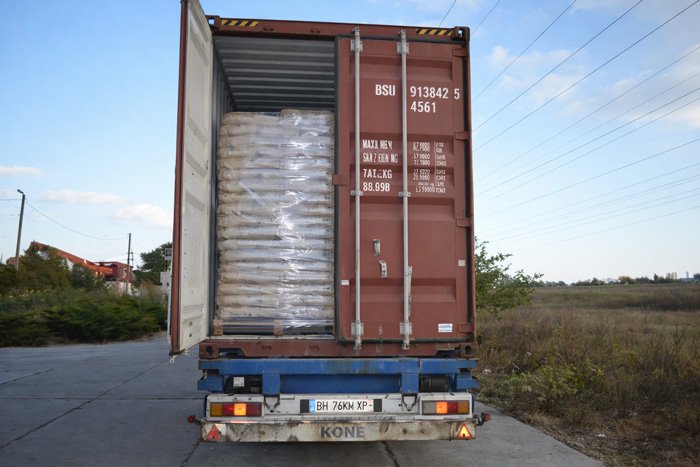
e) High density, allowing efficient storage and transport
f) Low moisture content, supporting clean and efficient combustion
g) Very low ash content, reducing maintenance and cleaning requirements
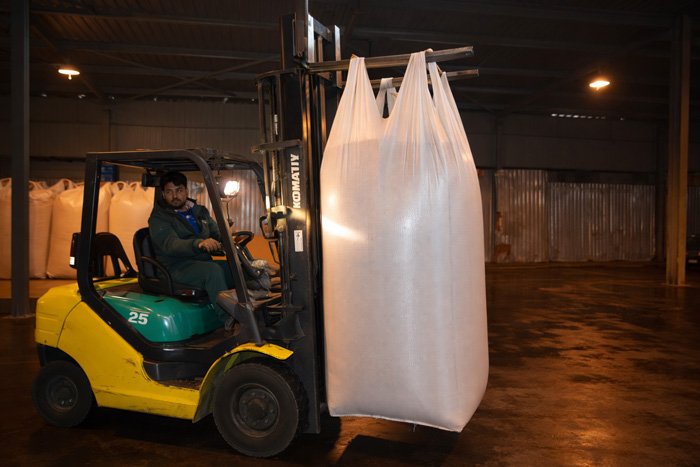
Wood pellets are well suited to automated systems, enabling easy handling, storage, transport, and controlled feeding into boilers and furnaces. Their efficiency allows for optimal energy use with minimal waste.